Lumbar Spine Decompression Surgery in London
Get Back on Your Feet Faster – Specialized Daycare Surgeries for Your Busy Life
When narrowing of the spinal canal or nerve pathways causes persistent pain, numbness, or difficulty walking, spine decompression surgery in London offers relief by creating more space for compressed nerves.
Dr Purnajyoti Banerjee specialises in precise surgical removal of tissue compressing spinal nerves to restore function and improve quality of life.
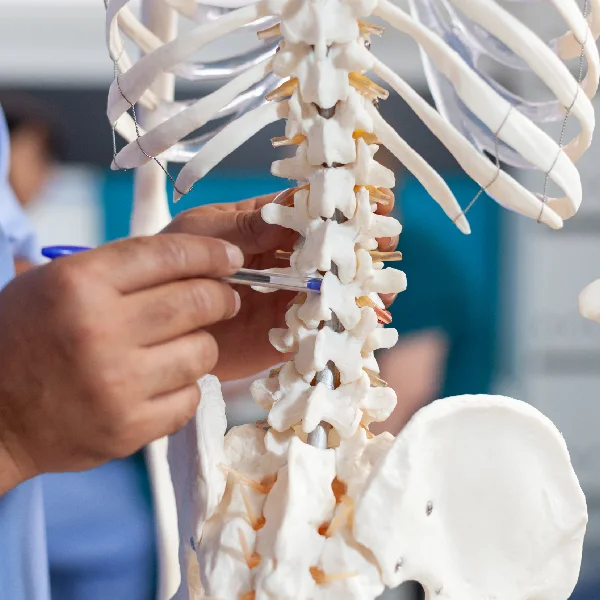
What Is Spinal Decompression Surgery?
Spinal decompression surgery relieves pressure on nerves or the spinal cord by removing bone, disc material, or thickened ligament that has narrowed the space available for neural structures. The procedure is used to treat spinal stenosis, disc herniation, or bone overgrowth that develops through ageing, arthritis, or injury.
Patients typically experience leg pain, arm pain, numbness, or weakness caused by nerve compression. These symptoms can significantly limit walking distance, standing tolerance, and daily activities.
When Is Nerve Decompression Surgery for Spine Recommended
Lumbar decompression surgery and cervical decompression surgery are considered when conservative treatments have not worked. Dr Purnajyoti Banerjee ensures patients have tried appropriate non-surgical options before recommending surgery.
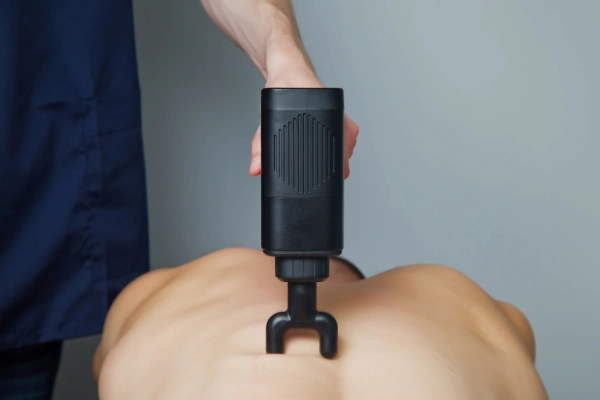
Common Conditions Treated
Lumbar Nerve Compression and Sciatica
Lumbar spinal stenosis and disc herniation can narrow nerve pathways and trigger radiating leg pain. Decompression relieves pressure on affected nerve roots.
Sciatica caused by slipped disc
Lumbar stenosis compressing nerves
Cervical Nerve and Cord Compression
Cervical stenosis or disc protrusion may compress nerves or the spinal cord. Surgery restores space around critical structures.
Neck and arm pain from nerve compression
Spinal cord pressure causing weakness
Types of Decompression Procedures
| Procedure | What It Does |
|---|---|
| Laminectomy | Removes part of the lamina (back of the vertebra) to widen the spinal canal |
| Microdiscectomy | Removes the herniated disc fragment pressing on a nerve |
| Foraminotomy | Enlarges the opening where nerve roots exit the spine |
| Facetectomy | Trims enlarged facet joints that are narrowing the canal |
Surgery for spinal stenosis aims to improve pain, walking ability, and neurological symptoms whilst preserves spinal movement where possible—unlike fusion surgery, most decompression procedures maintain the spine’s natural mobility.
What to Expect: Procedure and Recovery
Spine decompression surgery in London is performed under general anaesthetic in a specialist spinal unit. The duration varies from 45 minutes for single-level microdiscectomy to 2-3 hours for multi-level laminectomy.
- Microdiscectomy: Often day-case or overnight
- Single-level laminectomy: 1-2 nights
- Multi-level decompression: 2-3 nights
Recovery supported by physiotherapy and rehabilitation helps ensure optimal outcomes.
- Week 1-2: Walking encouraged; avoid prolonged sitting or heavy lifting
- Week 2-4: Return to light work and driving; gradually increase activity
- Week 4-8: Most daily activities resumed; physiotherapy intensified
- Week 8-12: Return to physical work and exercise; full recovery for most patients
Benefits and Who All Are Eligible
Relief of leg or arm pain in the majority of cases
Improved walking distance and standing tolerance
Restoration of normal sensation and strength
Preservation of spinal mobility
Faster recovery compared to fusion procedures
Taking the Next Step
Modern decompression techniques offer effective relief with minimal tissue disruption, helping patients return to active lives free from debilitating nerve pain. If nerve compression is causing persistent pain, weakness, or walking difficulties, a consultation will determine whether nerve decompression surgery spine is right for you. Dr Purnajyoti Banerjee provides honest guidance on expected outcomes and alternatives, ensuring you make an informed decision about your care.
Frequently Asked Questions
How long does spinal decompression surgery typically take to perform?
Surgery duration ranges from 45 minutes for single-level procedures to 2-3 hours for complex multi-level decompressions.
Will patients need fusion along with lumbar decompression surgery?
Most decompression cases don’t require fusion; however, significant instability may necessitate stabilisation for optimal long-term outcomes.
When can patients return to work after nerve decompression surgery spine?
Desk work resumes within 2-4 weeks; physical labour typically requires 6-8 weeks before safe return to duties.
What is the success rate for surgery for spinal stenosis?
Success rates are estimated to be high for appropriately selected candidates with confirmed nerve compression and matching clinical symptoms.
Can spinal stenosis recur after cervical decompression surgery?
Recurrence is uncommon but possible; maintaining good posture, core strength, and a healthy weight reduces long-term risk.
Other Treatments
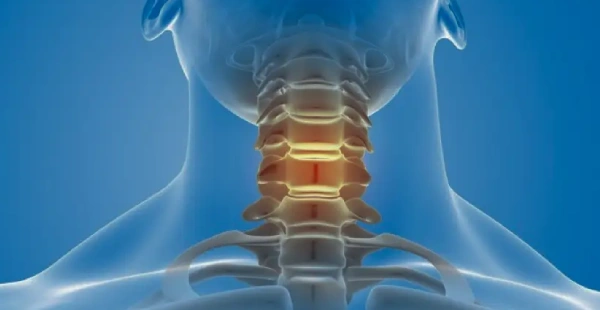
Cervical Disc Replacement Surgery
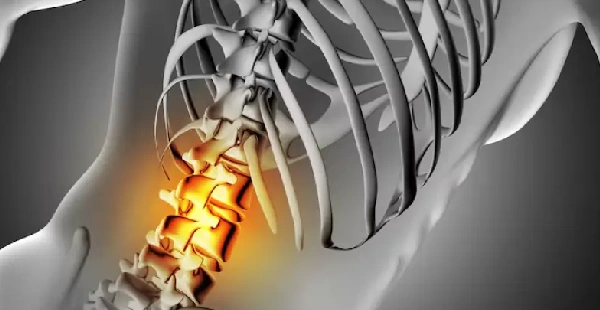
Cervical Fusion Surgery
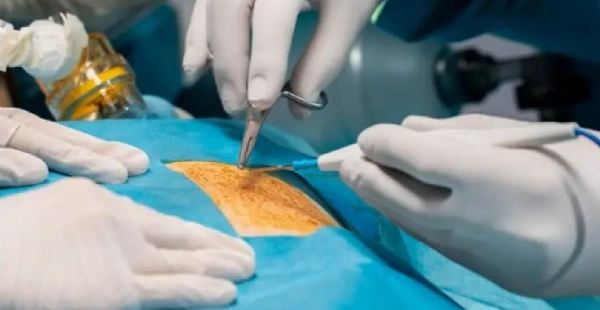
Keyhole Spine Surgery
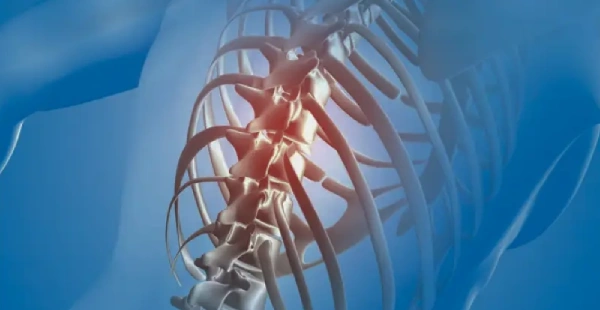
Kyphoplasty Surgery
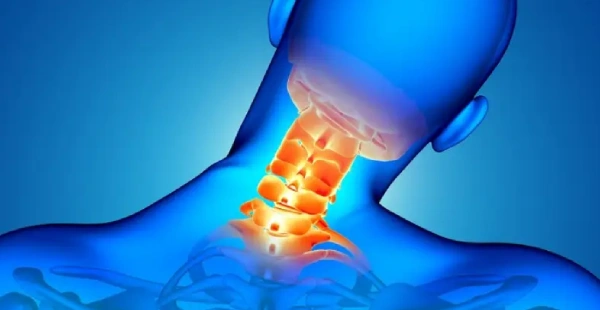
Lumbar Fusion Surgery

Spinal Disc Surgery

Frozen Shoulder Manipulation

Orthopedic Injuries

Radio Frequency Ablation

Shockwave Therapy
Sports Injuries
Spinal Stenosis

Slipped Disc