Kyphoplasty Surgery in London
Get Back on Your Feet Faster – Specialized Daycare Surgeries for Your Busy Life
Dr Purnajyoti Banerjee provides this advanced vertebral compression fracture treatment for patients experiencing debilitating pain from collapsed vertebrae.

What Is Kyphoplasty?
Kyphoplasty in London, performed under the supervision of Dr Purnajyoti Banerjee, is a minimally invasive procedure to treat vertebral compression fractures, in which one or more spinal bones have collapsed or fractured.
These fractures are often caused by osteoporosis, trauma, or cancer-related bone weakness and often present with sudden, severe back pain that worsens with movement or standing, significantly affecting daily life.
Balloon kyphoplasty is carried out through small incisions under imaging guidance to restore vertebral stability. The spinal fracture surgery usually takes 30–60 minutes per vertebra and is designed to rapidly reduce pain and improve mobility, with many patients experiencing meaningful relief within 24–48 hours.
When Is Kyphoplasty Recommended?

Conditions Causing Vertebral Fractures
| Cause | Description | Fracture Pattern |
|---|---|---|
| Osteoporosis | Weakened bone density | Multiple levels possible |
| Trauma | Falls or accidents | Usually single-level |
| Cancer Metastases | Tumours weakening bone | Can affect multiple sites |
| Multiple Myeloma | Blood cancer in the bone marrow | Multiple compression fractures |
Conditions Treated by Kyphoplasty Surgery
Osteoporosis and Trauma
- Osteoporotic compression fractures
- Traumatic vertebral fractures
Cancer-Related Bone Damage
- Cancer metastases to the spine
- Multiple myeloma-related fractures
Kyphoplasty in London: Recovery Timeline
Hospital Stay and Recovery
Recovery Timeline
- Day 1: Walking within hours; significant pain reduction often immediate
- Week 1: Gradual return to light activities; avoid heavy lifting
- Week 2-4: Most daily activities resumed; back-strengthening exercises begin
- Week 4-6: Return to normal function for most patients
Benefits of Private Kyphoplasty
Is Kyphoplasty Right for You?
Frequently Asked Questions
How quickly does kyphoplasty relieve pain after vertebral compression fractures?
Most patients experience significant pain reduction within 24-48 hours; full benefit may take several days as swelling subsides.
Can kyphoplasty be performed on multiple vertebral fractures simultaneously?
Is there a risk of cement leaking during balloon kyphoplasty?
Will patients need ongoing treatment after kyphoplasty surgery?
How long does the cement stabilisation last in spinal fracture surgery?
Other Treatments
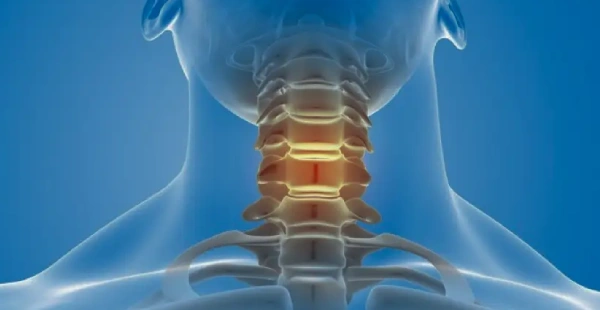
Cervical Disc Replacement Surgery
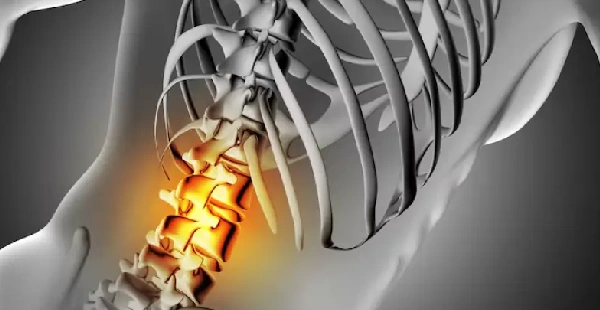
Cervical Fusion Surgery
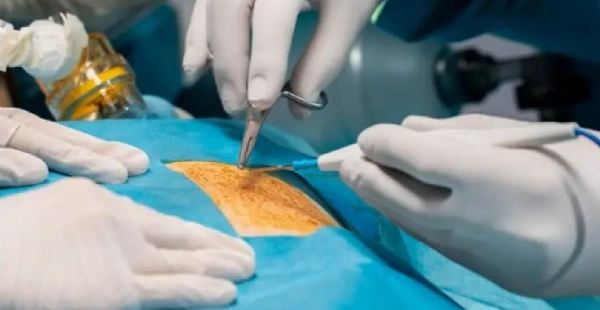
Keyhole Spine Surgery
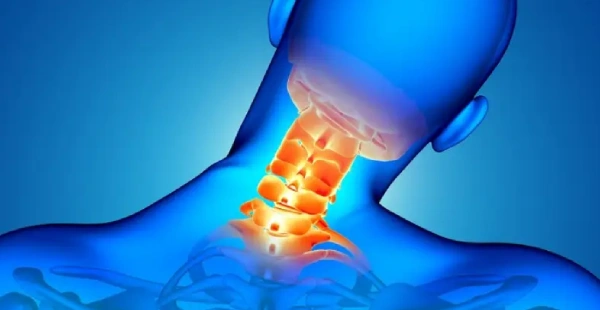
Lumbar Fusion Surgery

Spinal Decompression Surgery

Spinal Disc Surgery

Frozen Shoulder Manipulation

Orthopedic Injuries

Radio Frequency Ablation

Shockwave Therapy

Sports Injuries

Spinal Stenosis

Slipped Disc