Lumbar Spine Disc Surgery in London
Dr Purnajyoti Banerjee specialises in surgical removal of disc material pressing on a spinal nerve using modern minimally invasive techniques that promote faster recovery.
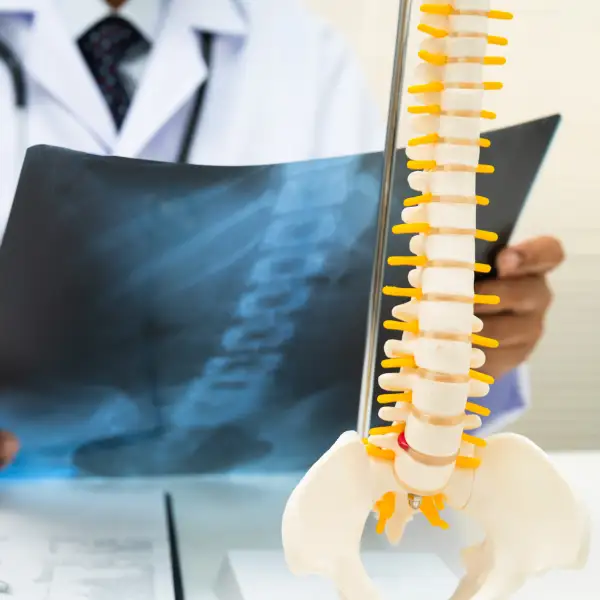
What Is Spinal Disc Surgery?
The most common procedure is microdiscectomy as a minimally invasive disc procedure, which uses a small incision and microscopic visualisation to precisely remove only the problematic disc fragment whilst preserving healthy tissue.
When Is Disc Herniation Surgery Recommended?
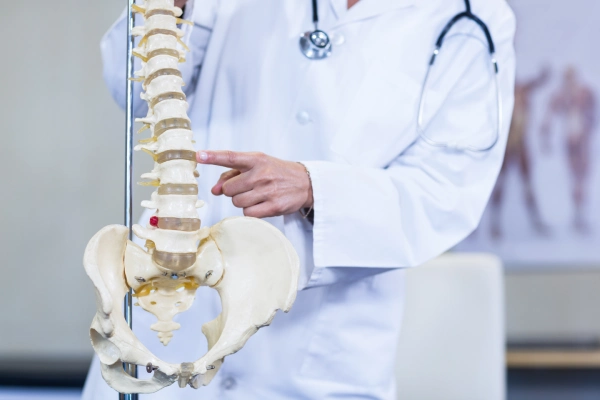
Ideal Candidates For Surgery
Surgery for sciatica caused by disc prolapse is recommended when nerve compression leads to persistent pain and functional limitation.
Common Conditions Treated
Lumbar Disc Herniation and Sciatica
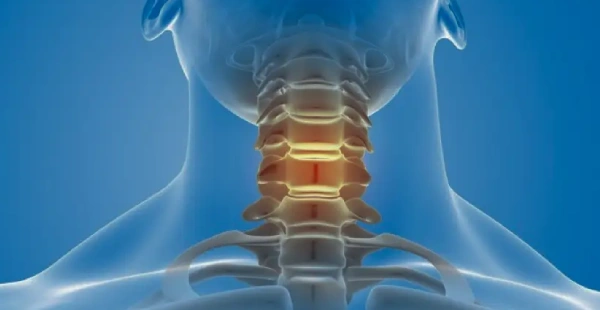
Cervical Disc Herniation
Microdiscectomy Procedure- An Overview
| Aspect | Details |
|---|---|
| Incision | 2-3cm over the affected level |
| Duration | 45-90 minutes typically |
| Technique | A microscope or an endoscope is used |
| Hospital stay | Same day or overnight |
The Recovery Process
- Day 1: Walking within hours; leg pain typically much improved; discharge same day or next morning
- Week 1-2: Gentle walking encouraged; avoid prolonged sitting, bending, or lifting over 2-3kg
- Week 2-4: Gradual return to light work and driving; most daily activities resumed
- Week 4-6: Increased activity levels; post-operative rehabilitation to restore movement and strength begins
- Week 6-12: Return to physical work and exercise; full recovery for most patients
Benefits of Private Spinal Disc Surgery
When Is Surgery the Right Choice
Not every herniated disc requires surgery—many resolve with conservative care. However, when nerve compression causes severe pain, weakness, or functional limitation despite adequate non-surgical treatment, surgery offers a proven path to recovery. Dr Purnajyoti Banerjee, with years of experience in spinal disc surgery in London, conducts a thorough assessment, including clinical examination and MRI review, to ensure that surgery is appropriate.
Frequently Asked Questions
How quickly does leg pain improve after microdiscectomy surgery?
What is the risk of disc herniation recurring after slipped disc surgery?
Can patients drive after disc herniation surgery?
Will surgery for sciatica caused by disc prolapse cure all back pain?
Is bed rest necessary after private spinal disc surgery?
Other Treatments
Cervical Disc Replacement Surgery
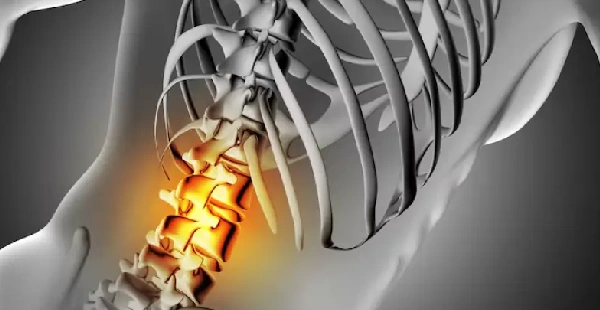
Cervical Fusion Surgery
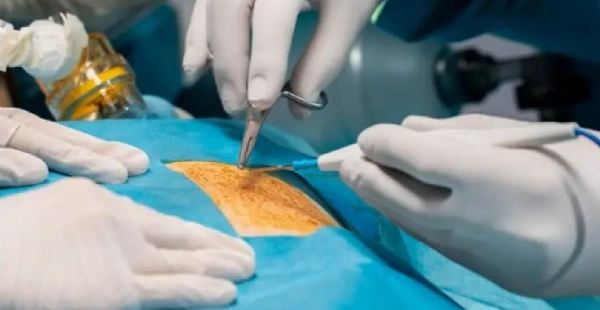
Keyhole Spine Surgery
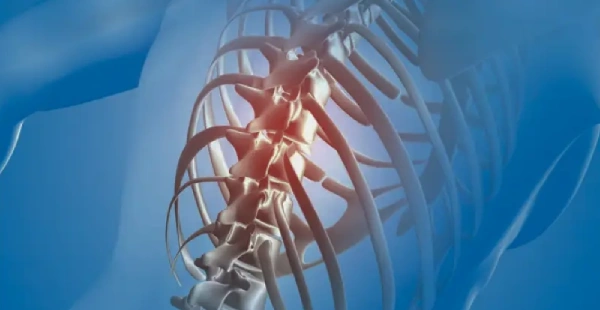
Kyphoplasty Surgery
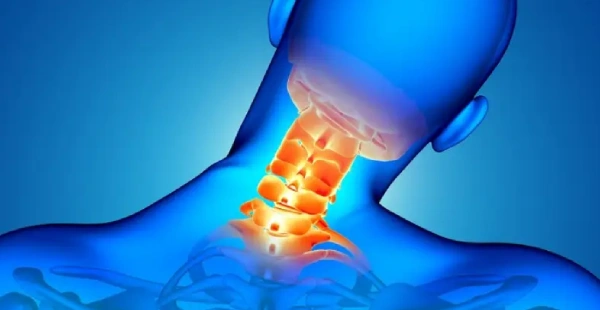
Lumbar Fusion Surgery

Spinal Decompression Surgery

Frozen Shoulder Manipulation

Orthopedic Injuries
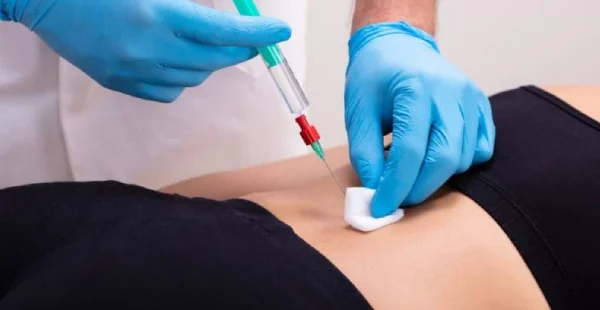
Radio Frequency Ablation
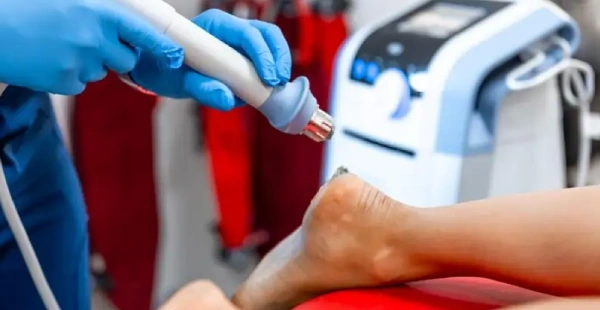
Shockwave Therapy
Sports Injuries
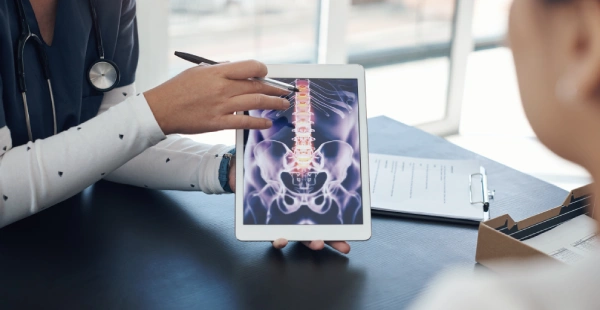
Spinal Stenosis
Slipped Disc